

Everyone has the opportunity to make an impact
Last updated: 19.10.2026In Hollola schools, participation means that students can participate, influence and be heard in matters that concern them. Participation is evident in everyday school life, for example in student council activities, joint planning, after-school activities, events and various discussions and surveys. Our goal is for every student to feel like an important part of the school community. Students' thoughts and experiences help to develop the school into an even better place to learn, grow and enjoy.
By listening, discussing, and working together, we build a school where everyone's voice is heard.
Every student belongs to the student council of their own school. The representatives voted in the classes form the student council board. The student council participates in planning events, improving the school's atmosphere and developing the school's common operating methods, and they are supported by the teacher who guides the student council. The student council board presents the students' views and collaborates with, for example, school personnel, the well-being tutor and youth workers. Student council representatives also work in tasks related to the school's operations and their evaluation. Student participation and influence are an important part of the operating culture of our schools.
In many of our schools, students participate in the planning and implementation of recess. Flashers organize games, activities and other activities that increase movement, cohesion and enjoyment. At the same time, students practice responsibility, cooperation skills and consideration for others.
During recess, various challenges or events can also be implemented. In addition to active recess, quiet breaks and reading breaks have also been organized, which offer the opportunity to spend time together peacefully, read, play, draw or do other meaningful things. You can read more about these on Hollolanpop social media, Instagram or Facebook.
Student agents are students who participate in developing the school's digital culture. They can help other students and staff use digital tools and bring a student perspective to school development. The activity strengthens inclusion, responsibility and collaboration skills.
Sponsorship activities supports the inclusion and enjoyment of primary school students. Sponsored students are usually 5th–6th graders who help preschoolers or first graders get to know the school and their classmates. The goal is to create a sense of community in the school and promote a safe start to school for new students by preventing bullying and loneliness. Sponsored students can provide support during class, read together, or even play during recess.
Classes can also have their own godparent classes, in which case the activity is carried out in cooperation between the sponsor classes.
In secondary schools support students help new students get to know the school, organize events and promote a good atmosphere. The goal of student support activities is for every student to feel like they belong to the school community and not be left alone.
Peer mediation (Verso) is a model where trained students help resolve conflict situations between students through discussion. The goal is to find a solution together, listen to all parties, and strengthen good interaction skills.
In the Verso activity, students get the opportunity to practice:
- listening
- collaboration skills
- taking responsibility
- constructive discussion
- conflict resolution
Student mediators are an important part of the school community and building a safe atmosphere.
KiVa schoolThe goal of the activity is to prevent bullying, strengthen community spirit, and support a safe school day for every student.
In KiVa activities, students:
- practicing friendship skills
- learn to recognize bullying
- practice acting safely in different situations
- together consider how everyone can contribute to a good atmosphere
Preventing bullying is everyone's responsibility! Every student can contribute to making school a safe, accepting, and enjoyable place to be.
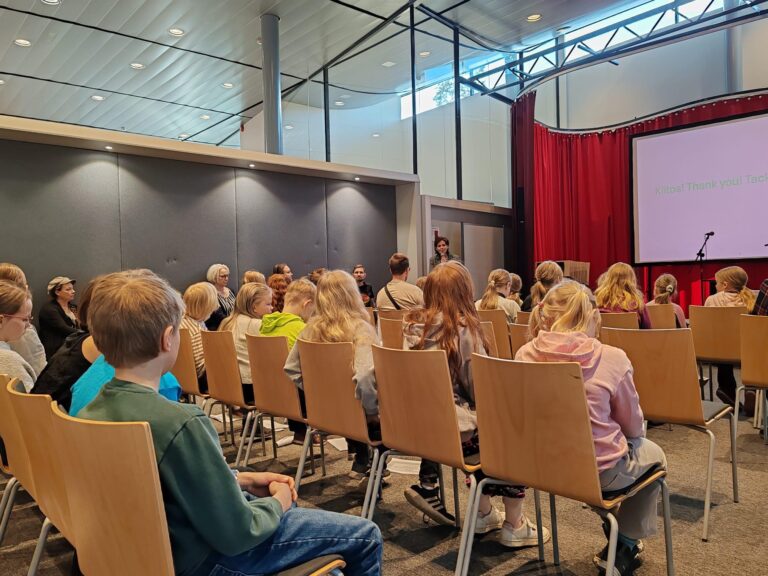
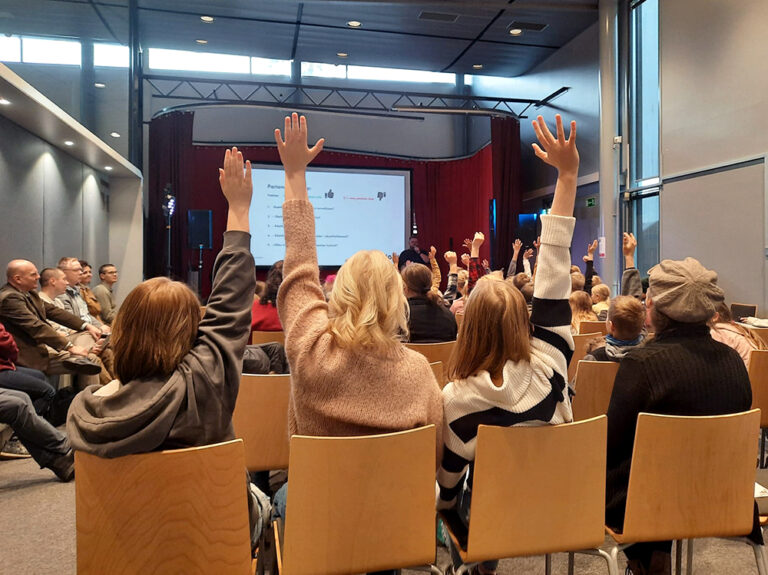
Hollolan children's parliament is a municipal participatory model in which primary school students (grades 1-6) have the opportunity to express their views and influence matters that concern them. The Children's Parliament typically meets twice a year, in spring and autumn. In addition to students, the events are attended by municipal officials, elected representatives and partners.
What is the purpose of the Children's Parliament?
- hear children's own experiences and views
- strengthen children's participation and opportunities to influence
- produce information to support municipal decision-making and service development
- practice constructive discussion and social influence.
Ninth graders' advocacy day offers young people the opportunity to learn about decision-making, ways of influencing and the development of their own municipality. The 9th grade influence day is organized in Hollola annually. The purpose of the day is to make people familiar with the opportunities for influencing and services for young people, and to provide time for young people to be heard and to meet. The students visit the event as part of the school day, so it reaches all 9th graders in Hollola during one morning.
The purpose of the 9th grade advocacy day is to
- To make the Hollola Youth Council and other avenues for youth involvement more familiar.
- The forum listens to and involves young people, for example from the perspective of developing and implementing services.
- The opportunity to reach all students in Hollola who are finishing their comprehensive school.
- Give time to listen to and meet young people.
Children's meetings are moments that can potentially be implemented in primary education where students can bring forward ideas and influence everyday school life. The aim of the meetings is to strengthen children's participation, being heard and democratic decision-making from an early age.
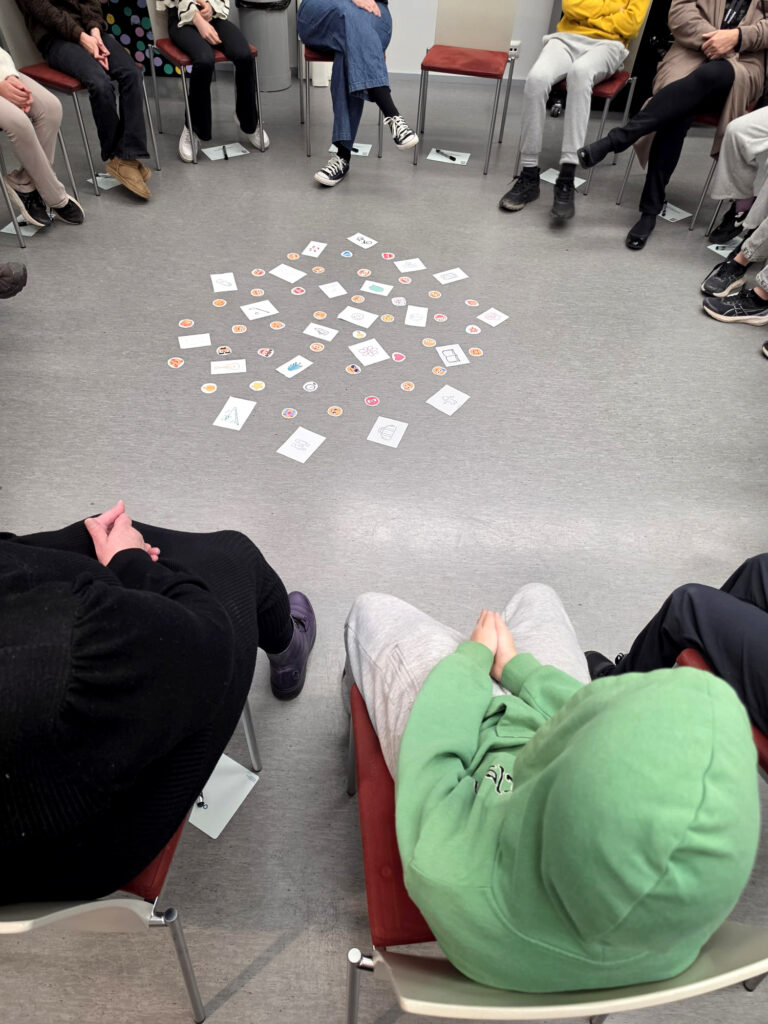
Skid dialogue is a model of constructive discussion for children and young people, based on the Erätauko method. Its aim is to increase understanding, strengthen a sense of belonging and offer children and young people an equal opportunity to participate and influence matters that affect them. The most important thing in Skididialog is not to find ready-made solutions, but to stop and listen, share experiences and learn from others.
In Hollola's basic education, Skididialogues are used, for example, in children's parliaments and when children and young people want to hear their thoughts on various topics. In many schools, discussions have been combined with the What's Up? survey in collaboration with a well-being tutor.
The aim of Skididialog is to:
- increase understanding and well-being
- strengthens community and cohesion
- develop emotional and interaction skills
- provide opportunities for children and young people to participate and have an impact
- to bring the perspectives of children and young people to support decision-making and development
News from over the years
-

Every school has an active student union
Over 90 elementary school student union members gathered at the library's event square. 16.10.2024 Elementary school student councils presented their work.
-
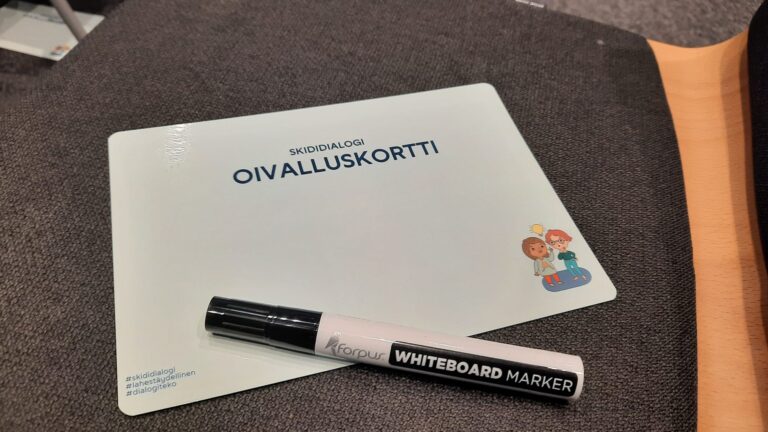
Children's Parliament discussed good manners
Before the autumn break 31.10.2025 Representatives from all primary schools in Hollola gathered at the main library to discuss good behavior.
-
The Children's Parliament discussed forms of transportation on school trips
During spring 2025, student councils prepared sustainable mobility plans for their schools as part of the municipality's walking and cycling promotion program.
-
Schoolchildren reflect on the traffic safety of their school roads
Hollola schoolchildren spoke at the children's parliament 25.10.2023 to municipal decision-makers about what they think a safe school route in Hollola is like.
-
Fishing, exercise and friends – schoolchildren shared their favorite leisure activities
What to do, how to spend free time in Hollola, schoolchildren were asked on Wednesday 14.10.2026